
Foundation · 5 min read
Three pillars built the most documented beauty culture in history: oils, exfoliation, and ritual. Cyperus sat at the centre.
Pillar I — Oils
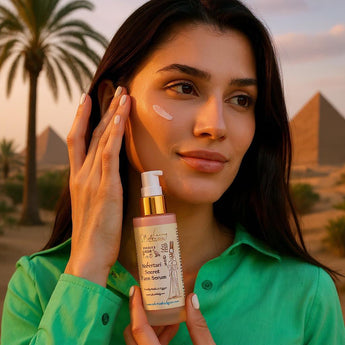
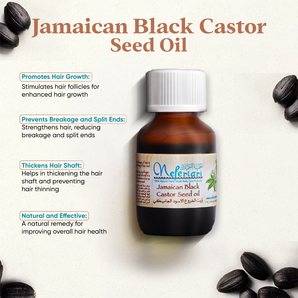
Egyptian noblewomen didn't moisturise. They oiled. The distinction matters. A moisturiser sits on the skin's surface; an oil penetrates, refines, and stays. The daily oils of the Egyptian vanity were Cyperus for refinement, Jojoba for hydration, Castor for hair, Rosehip for radiance, and a frankincense-rich cream for the face. Each had a precise hour and a precise purpose.
Pillar II — Exfoliation
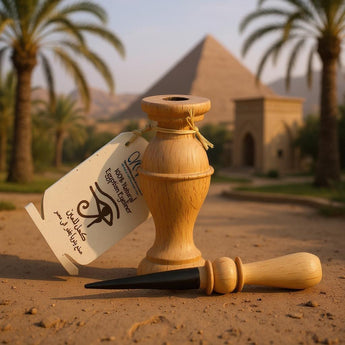
Smooth skin was the mark of nobility. Maintaining it required regular surface release — which is why the Moroccan-style exfoliating glove and similar implements appear across the broader region's records. Texture was treated as the enemy of refinement. Anything that trapped hair, oil, or dust was scrubbed away before the next oil was applied.
Pillar III — Ritual
Here is the secret most modern routines miss: it was never a "skincare regimen." It was a daily ceremony. The same order, the same hour, the same touch — repeated until the skin learned what was coming. The repetition was the active ingredient.
What Survived
Nefertari's rituals are direct heirs of this culture. Cyperus is the refining oil. Jojoba is the carrier. Aloe Vera Gel is the soothing layer. The Moroccan Glove handles release. Every element you find on Nefertari's shelf was on Cleopatra's.
The Egyptian beauty was not made by products. She was made by repetition.